When you’re managing complex construction, rail, marine, or infrastructure projects, one of the biggest challenges isn’t just getting the job done – it’s sourcing everything you need in a timely, cost-effective, and reliable way.
At Ryder Services, we make procurement simple. With a wide-ranging stock list, sector-specific expertise, and a customer-first approach, we’re here to help you get everything you need under one roof – saving you time, stress, and money.
What We Supply
From heavy-duty timber to site essentials, we provide a comprehensive supply service tailored to the needs of contractors and buyers across the UK.
Here’s a snapshot of what we offer:
Wide Range of Timber Species – From a variety of softwoods to ultra durable tropical hardwoods.
Specialist Timbers for Rail, Marine & Pipeline – Crossing timbers, waybeams, pipeline cradles, marine-grade timber for piling, and structural hardwoods
Rail Components – Including flat bottom and bull head rail (new and serviceable), baseplates, clips, and related sundries
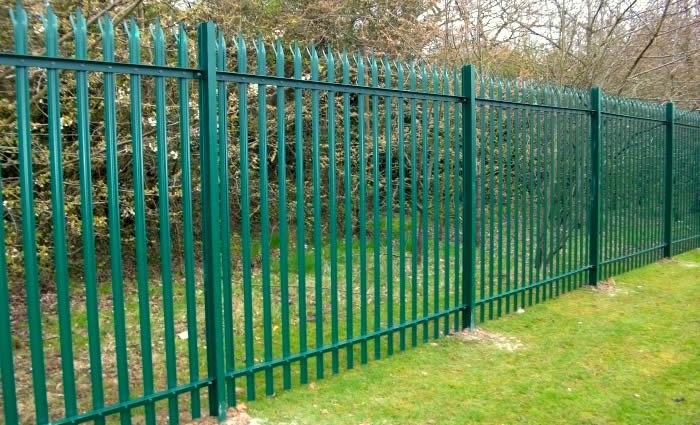
Fencing Materials – Agricultural, domestic, and security fencing, including posts, panels, gates, fixings, and concrete products
Ground Protection – Bog mats and crane mats available for hire or purchase, including tropical hardwoods, with a buy-back scheme available
Pipeline Sundries – Silt netting, barrier netting and straw
Construction Materials – Post mix, concrete repair products, nails, screws, bolts, and tools
Custom Machining & Drilling – Made-to-spec timbers for all sectors
Built for Buyers. Backed by Experience.
We know the pressure of procurement – tight deadlines, changing site conditions, shifting specs. That’s why Ryder Services focuses on:
Reliable stock availability
Sector-specific knowledge in rail, marine, pipeline, and civils
Flexible purchasing options including hire, buy-back, and cut-to-size services
One point of contact for streamlined ordering
Sustainability as Standard
Our timber is sourced from legally harvested, sustainably managed forests, with FSC® and PEFC certification. We also support circular use through our buy-back scheme for many of our products, helping clients reduce waste and environmental impact on site.
Nationwide Delivery. Trusted by Industry.
Whether you’re working on a remote rail line, a coastal marine site, or a major civil project, we deliver materials where and when you need them – across the UK.
If you’re ready to streamline your procurement and work with a supplier that understands your sector, choose Ryder Services.
For buyers, sourcing fencing materials means balancing quality, compliance, availability and value, often across multiple projects at once. Ryder Services supports contractors and organisations across the UK by supplying fencing materials for a wide range of applications from a single, reliable source.
Agricultural Fencing Supply
Agricultural projects demand durable, cost-effective fencing solutions capable of handling livestock control, land boundaries and ongoing maintenance needs. We support farm contractors and rural buyers with dependable supply options suited to both new installations and repair work, helping minimise downtime during busy seasons.
Infrastructure, Rail & Pipeline Projects
Infrastructure and pipeline works require fencing that meets strict safety and security standards, often across remote or high-risk locations. Ryder Services supports buyers supplying rail, highway, utilities and pipeline projects, ensuring materials are available to secure work zones, protect assets and maintain compliance while keeping programmes on schedule.
Housing & Development Requirements
Housing developments require fencing throughout multiple project stages, from temporary site security during construction to permanent boundary solutions for completed properties. We help procurement teams streamline supply across phases, ensuring materials arrive when needed and match project specifications.
Security Fencing for Commercial & Industrial Sites
Commercial and industrial sites rely on fencing to secure assets, control access and protect operational areas. Ryder Services supports buyers sourcing materials for depots, compounds and business premises where reliability and durability are critical.
Temporary Fencing for Sites & Events
Temporary fencing plays an important role in construction safety and event management, allowing flexible site boundaries as projects evolve. We supply materials suitable for hire companies and contractors who need dependable short-term solutions.
Simplifying Procurement Across Projects
Many procurement teams manage multiple sites requiring different fencing solutions at the same time. Working with Ryder Services allows buyers to consolidate supply through one trusted partner, simplifying ordering and helping maintain consistent quality across projects.
Our team understands the realities of project delivery and works closely with customers to ensure materials are available when required, helping projects stay on schedule.
Supporting Your Next Project
Whether your organisation is managing agricultural improvements, infrastructure and pipeline works, housing developments or commercial site security, Ryder Services can support your fencing material requirements.
Speak with our team to discuss upcoming projects and secure dependable fencing supply.
The past few years have tested supply chains like never before. From the disruption caused by the COVID-19 pandemic to global shipping delays, driver shortages, and raw material price spikes, every sector of the UK economy has felt the impact. For construction and infrastructure projects in particular, reliable supply chains and strong supplier partnerships have become essential for keeping projects on track.
At Ryder Services, we’ve worked closely with buyers, contractors, and project managers throughout this turbulent period. Looking back, there are several key lessons the industry can take forward to build stronger, more resilient supply chains.
1. A Versatile Supplier Simplifies Procurement
Projects often require sourcing a wide range of materials from multiple suppliers, which can increase admin and add complexity. Working with a supplier that can provide a broad selection of products, tailored services, and sector-specific support can make procurement much simpler. Consolidating as much of your order as possible with a trusted partner helps reduce delays, streamline communication, and keep your project moving efficiently.
2. Communication is Critical
Delays cannot always be avoided, but clear and consistent communication makes them manageable. At Ryder Services, we pride ourselves on transparency. In an ideal world, lead times would always be short – and we’ll always do everything we can to get your order out as quickly as possible. But when production delays occur or we know lead times will be longer, we make it a priority to give you a clear and realistic timeframe. Buyers who have open lines of communication with their suppliers are better able to adjust project timelines, secure alternatives, and maintain trust with their own clients. Transparency across the supply chain has proven to be just as important as the materials themselves.
3. Sustainability and Compliance are Non-Negotiable
During times of pressure, it can be tempting to cut corners. But in the UK construction sector, legal and sustainable sourcing remains essential. Certifications such as FSC® and PEFC provide assurance that timber and other materials are responsibly managed, protecting both the environment and a company’s reputation. The companies that maintained strict compliance standards are now in a stronger position to win work and build long-term relationships.
4. Flexibility Creates Opportunity
The ability to adapt – whether through offering materials in cut-to-size formats, providing hire options, or identifying substitute products – proved invaluable during supply shortages. Flexible procurement partners can reduce project downtime, control costs, and ultimately keep work on track.
5. Strong Relationships Add Value
Finally, the past few years have underlined the importance of strong supplier relationships. Buyers who partnered with suppliers that understood their sector, anticipated challenges, and offered proactive support were able to navigate uncertainty with greater confidence. Supply chains are not just about logistics – they are about people and trust.
Moving Forward
The supply chain challenges of recent years have left a lasting mark on the construction industry. The companies that thrive in the future will be those that apply these lessons: working with versatile, reliable suppliers, communicating clearly, maintaining compliance, embracing flexibility, and strengthening relationships.
At Ryder Services, we remain committed to supporting UK construction with a one-stop supply approach, helping buyers and project teams secure the right materials, at the right time, from a partner they can rely on.
Timber is our stock-in-trade here at Ryder Services, and for good reason. For as long as humans have needed shelter, transport, and protection from the elements, wood has been at the heart of construction. Its story is as old as civilisation itself. Let’s take a look at how timber became one of the most enduring building materials in history.
THE ANCIENT BEGINNINGS OF WOOD
Long before steel, concrete or modern machinery, there was wood. To early humans, timber was the perfect all-rounder: strong, workable, widely available, and adaptable to almost any purpose. Homes, tools, boats, bridges – timber has always been as versatile as it is reliable.
One of the oldest known wooden objects, the Schöningen Spear, dates back around 400,000 years. Civilisations like the Egyptians and Mesopotamians soon took timber craftsmanship further, using wood to build houses, ships, furniture and even temple structures. This early innovation laid the foundations for timber’s central role in construction across the ancient world.
TIMBER IN THE MIDDLE AGES
By the medieval period, wood was shaping towns and cities across Europe. Timber-framed houses – the classic medieval buildings we picture with exposed beams – became a dominant architectural style. Strong, practical and surprisingly warm, they were built to handle harsh weather and daily wear.
Oak, in particular, reigned supreme. Its strength and longevity made it the material of choice for everything from homes to great halls. Medieval carpenters were exceptional craftspeople, mastering joinery techniques like mortise and tenon, which allowed buildings to stand for centuries without relying on metal fastenings.
One of Britain’s most impressive medieval timber feats is the spire of Salisbury Cathedral, the tallest wooden spire in the UK at 123 metres. Its intricate internal framework remains an engineering triumph, reflecting the remarkable skills of the carpenters who designed it.
TIMBER USE ACROSS THE WORLD
Timber’s importance wasn’t limited to Europe. Across the globe, different cultures embraced wood and adapted it to their own environments.
In Japan, master builders developed sophisticated timber techniques to help structures withstand earthquakes. The Kiyomizu-dera Temple in Kyoto – a UNESCO World Heritage Site – stands as an extraordinary example of precision-crafted wooden engineering.
Indigenous peoples of North America constructed longhouses, wigwams and other dwellings from timber, using local species to create homes suited to harsh climates. Later, as settlers expanded westward, timber became the backbone of rapid town building, with the log cabin becoming an enduring symbol of early America.
THE RISE OF THE TIMBER INDUSTRY
The Industrial Revolution transformed timber production. Steam-powered sawmills meant planks and beams could be produced far more quickly and consistently than hand-cut timber ever could. Timber suddenly became more affordable, standardised and widely available, ideal for the rapidly expanding cities of the 19th century.
During this era, timber was used extensively in homes, warehouses, bridges, factories and even early skyscrapers. Chicago’s first high-rise buildings relied on heavy timber frames before steel took centre stage.
Timber had firmly secured its role as a construction essential.
TIMBER IN THE MODERN AGE
Today, timber remains a vital material across global construction thanks to its durability, practicality and natural resilience.
Despite advancements in steel and concrete, timber continues to hold its own, especially in sectors where strength and reliability are crucial.
At Ryder Services, timber plays a major role in the industries we support:
Rail: Crossing timbers and waybeams rely on the shock absorption and robustness of high-quality hardwoods. Marine: Hardwood timbers are naturally suited to marine conditions, offering excellent durability and moisture resistance. Heavy-Duty Infrastructure: From joists to bog mats, timber provides outstanding load-bearing performance while remaining cost-effective and sustainable.
A MATERIAL THAT STANDS THE TEST OF TIME
From ancient tools to medieval spires, from early industry to modern infrastructure, timber has remained one of the world’s most trusted building materials. Its versatility and endurance have kept it relevant for thousands of years, and it continues to support some of the toughest sectors today.
Timber isn’t just part of construction history. It’s part of construction’s future.
To hire or to buy? That is the question. You can do both at Ryder Services. A go-to checklist is always handy to have, so here goes…
The UK construction industry experiences ups and downs all the time. In the quarter leading up to January 2024, construction output saw a decrease of 0.9%, chiefly driven by a 4.5% dip in new work, while repair and maintenance enjoyed a 4.0% lift.
Trends can and do influence decisions on whether to hire or purchase equipment like bog mats.
Then we have environmental considerations. Ground protection mats offer a more sustainable choice compared to traditional stone roads. They minimise dust, noise, and pollution, helping to lower the carbon footprint of any project and avoid costly clean ups.
This environmental benefit is a pull factor the investing long-term in bog mats for companies wishing to boost sustainability credentials.
What are bog mats?
Bog mats and ground protection mats provide stable platforms over unstable or sensitive terrains. They distribute the weight of heavy loads and maintain the integrity of the ground by allowing safe access for heavy machinery and personnel. This prevents damage to the ground and enhances operational efficiency.
The construction, pipeline, railway, events and film and TV industries use them, likewise mobile crane and geotechnical projects.
But should you hire or buy bog mats?
Hopefully this blog will help point you in the right direction.
Hire bog mats
Pluses
Good short-term fix
If your project is fleeting or you don’t anticipate frequent use of bog mats, hiring can be the best option. No upfront costs. Likewise good for your business if work is patchy.
No storage or maintenance required
In the words of Phil Collins, no jacket required, and in the world of hired bog mats, no storage or maintenance required.
A good range of sizes to suit
Hiring or buying from Ryder Services means a good range of shapes and sizes of bog mats, and without the need to commit to a particular size or timber, recycled plastic mat etc. You can also spread the cost of course.
Minuses
Rising costs
If you’re a frequent or long-term projects requiring bog mats, hiring costs can multiply over time, potentially overtaking what would’ve been the initial outlay.
Availability
We always endeavour to meet your availability needs, but it might be that you need a bog mat at the drop of a mat! Or on a bank holiday!
Buy bog mats
Pluses:
Save money in the long run
If you’re a plant hire company, buying bog mats makes sense as it’s more cost effective. Or if you have multiple projects on the go at the one time.
You can access them as and when
Owning your own ground protection mats means you call the shots. You can start a new project in the moment, or generally just boast a more flexible operation.
Customisation
Customising the mats to suit your business as well as the team’s familiarity with them over time are two further benefits to buying bog mats over hiring them.
Minuses:
Initial outlay
Purchasing bog mats means a significant upfront expenditure, which your business’s budget might not be ready for. It might strain and stretch budgets, especially if you’re a smaller companies with an infrequent need for such equipment.
Storage
Bog mats require proper safe, and dry storage so they don’t get damaged. You will also be responsible for their upkeep and any maintenance so that they last as long as possible and are always fit for purpose.
The passage of time
As with everything in this life, bog mats may wear out or become obsolete. Ground protection isn’t immune to technological advances.
In a nutshell
Questions around frequency of use and average duration of projects are key, as are budget and storage considerations too of course. Then there’s how varied your work is in terms of how many different types of mat you might need.
Call our expert team today on 01683 221082 if you’re still unsure.
Bog mats are a crucial part of safe and efficient site operations, providing stable access routes and working platforms across soft or uneven ground. To get the best performance and longest lifespan from your mats, it’s important to handle, install, and maintain them correctly.
Plan Your Layout
Before installation, assess the ground conditions and plan where mats will be placed. Consider the weight and type of machinery that will travel over them, and identify areas that may need additional support. A well-thought-out layout helps distribute loads evenly and prevents unnecessary strain on individual mats.
Prepare the Ground
Where possible, remove large debris, stones, or sharp objects before laying the mats. Although bog mats are built for durability, keeping the surface free of obstructions helps prevent damage and ensures a tighter, more stable fit between each section.
Install in the Correct Direction
Always install mats so that the grain of the timber runs across the direction of travel. This provides better traction and reduces the risk of slippage. Make sure joints are closely butted together, and use appropriate fixings where necessary to prevent movement under heavy loads.
Check for Level and Stability
Once in place, inspect the surface to ensure that all mats are sitting flat and level. Gaps or raised edges can create hazards and lead to uneven wear. Adjust or relay any mats that have shifted during installation.
Regular Inspections and Cleaning
Carry out regular inspections, especially on busy or long-term sites. Look for signs of cracking, warping, or delamination, and replace any mats that show excessive wear. Periodic cleaning to remove mud and debris will help maintain grip and extend the lifespan of your mats.
Store Correctly Between Uses
When not in use, store bog mats in a dry, well-drained area. Stack them flat on level ground and avoid prolonged contact with standing water. Proper storage prevents warping and decay, keeping your mats ready for future projects.
Choose the Right Material for Your Site
The lifespan and performance of your bog mats will depend on the material used. Tropical hardwood mats (such as Ekki) are suited to long-term and heavy-duty use, while European hardwood mats are lighter, cost-effective, and ideal for temporary or lighter applications.
Whether you’re working on soft ground, building access tracks, or positioning heavy equipment, choosing the right bog mat is essential. At Ryder Services, we supply both D70 Ekki and European hardwood bog mats, and we’re often asked: Which is the best fit for my site?
Here’s what you need to know.
What Are D70 Bog Mats?
D70 refers to marine-grade mats typically made from Ekki, a dense tropical hardwood known for its exceptional strength and resistance to water. Ekki is classified as Durability Class 1, meaning it can last 25+ years in contact with ground or water, making it a top choice for long-term, high-load projects or wet sites.
What About European Hardwood Mats?
We also supply bog mats made from European hardwoods, which are often a mix of species such as oak and beech. These mats are a versatile and cost-effective choice for a wide range of applications.
And it’s not just about the timber; it’s about the specification.
With thicknesses up to 300mm, our European hardwood mats can support loads of up to 120 tonnes, making them suitable for heavy plant, tracked vehicles, and cranes.
They also offer solid durability over time, especially when used in drier conditions.
So, Which Should You Choose?
Choose D70 Ekki if your job involves:
Wet, boggy, or marine ground conditions
Long-term use
Maximum lifespan with minimal maintenance
Choose European hardwood if you need:
High load capacity at a competitive price
Strong performance on firm or moderately soft ground
A reliable, long-lasting option for a wide range of access and construction needs
At Ryder Services, we’ll help you choose the right timber and mat size to suit your ground conditions, equipment weight, and budget.
Sustainability isn’t just a trend, it’s now a key part of responsible procurement. Every purchasing decision has an impact on people, the planet, and long-term project performance. Asking the right questions helps ensure that materials and services are sourced responsibly, legally, and with transparency.
Here are a few questions every buyer should be asking their suppliers:
1. Are your materials sustainably sourced?
Ask for proof of FSC® or PEFC certification for timber products, and check that other materials meet recognised environmental standards.
2.What’s your approach to waste and recycling?
Look for suppliers offering recycling or buy-back schemes that reduce site waste and landfill use.
3. Can you provide traceability and documentation?
A transparent supply chain builds trust and ensures compliance with environmental and legal requirements.
4. How do you minimise your carbon footprint?
From local sourcing to efficient logistics, responsible suppliers should be able to demonstrate how they’re reducing emissions.
5. Do you have health, safety and ethical policies in place?
Responsible procurement goes beyond the environment – it includes worker welfare, fair pay, and safe working practices.
At Ryder Services, we’re committed to sustainable sourcing and full transparency – helping buyers simplify procurement without compromising on responsibility.
We’re fluent in the language of wood at Ryder Services and where would we all be without timber?
It’s been everywhere and a building block of civilisation since Adam and Eve put up their first shelves. It’s versatile, sustainable, and, let’s face it, looks the bee’s knees in the home and garden. It’s the lifeblood of joiners, construction workers and DIYers – so of course we had to write a blog on timber uses.
Structural Timber
Let’s start with the heavy-duty stuff. Structural timber is the framework of homes, commercial buildings, and public spaces.
This is the stuff of roof trusses, floor joists, wall studs, beams and lintels, and in new buildings or house renovations, structural-grade timber has a lower carbon footprint than steel or concrete.
Engineered products like glulam and laminated veneer lumber (LVL) mean timber holds its own in large-scale projects without compromising strength. The UK’s tallest timber building is the Black & White Building in Shoreditch, London.
Joinery timber
Graded timber is excellent for finer interior work where precision matters, like on staircases, doors and windows, skirting boards, architraves, and in cabinet making or bespoke furniture.
Softwoods like redwood and whitewood are popular for internal joinery, while hardwoods like oak and ash add a premium finish. Kiln-dried joinery timber is often a breeze to work with and gives you a flawless paint-ready surface to work with.
Cladding and Facades
Timber cladding can make your property stand out or blend in with is surroundings and is a popular choice for residential as well as commercial properties. Popular choices amoung our customers include Cedar, as it’s lightweight, weather-resistant, and naturally beautiful. Then there’s Larch, which is durable and full of character, and Thermowood, a heat-treated softwood with excellent stability.
Timber cladding looks the part and provides what you might call nature’s own insulation layer that is low maintenance to boot.
Decking and landscaping
Timber shines outdoors too of course, and can make the difference between a meh garden or patio and one that keeps your more competitive neighbours on their toes.
Oak sleepers make terrific raised beds and edging, while we also supply composite decking for long-lasting stylish surroundings that will give your own little piece of the planet a new lease of life.
Timber fencing, like Featheredge Boards and panels can really set off a home as well as provide an extra level of security and shelter.
Pergoals and gazebos have become very popular in homes across the UK, and we deliver UK wide, so you’re in luck if you’d like something like this to the equation and add to the charm of your garden at the same time.
Flooring
There’s a very good reason people over the ages have stood on timber flooring and it’s stood the test of time: it’s classic, warm stylish. It can really set off a room in both houses and flats, and scuff, marks and imperfections only add to the character of the flooring over time. Oak often leads the pack when it comes to solid wood flooring. It’s known for its strength and elegance.
Then we have engineered wood flooring that brings stability with a real-wood finish. Softwood floorboards, meanwhile, are what you might plump for if your heart’s set on painting, staining, or you’re on a budget.
Roofing
Timber plays a pivotal role in roofing too. Both structurally and aesthetically, and whether rafters and battens or decorative fascias and soffits, it’s going to keep you warm and dry.
Perhaps your line of work is heritage restoration or working on listed buildings? If so, timber no doubt remains the go-to choice to match original features and satisfy planning requirements.
Timber and DIY projects
Who doesn’t love a bit of weekend woodwork! Timber and DIY are like Ant And Dec. You can cut, shape, stain, and paint timber, so it’s a brilliant choice for home projects of all sizes.
You might find that you’re a dab hand at shelving units, or storage benches, garden planters, birdhouses etc. Get those creative ideas out into the world.
So it’s the smarter choice for eco-conscious people, building and renovation projects. Modern forestry practices mean that UK timber suppliers offer increasingly more responsibly sourced wood.
Treated Timber
Treated timber is your best bet to keep moisture out if it’s ground-level use you’re looking at. This is where pressure treatment imbues the wood with preservatives to help stop rot, fungi, and insect damage in their tracks.
There are different levels of treatment, and it’s always prudent to check the treatment class to make sure it matches your project.
Need Timber? You need ryder services
We stock loads of high-quality timber for all kinds of use: structural, decorative, indoor and outdoor. Whether you’re tackling a major build or a weekend project, we’re here to help you choose the right wood for the job.
Visit our yard, or browse online, and if you’re not quite sure what you need, call 01683 221082
The construction industry continues to face complex and evolving challenges. While demand remains strong across commercial, infrastructure, and housing sectors, the pressures on delivery, cost, and compliance are mounting. For industry professionals, staying informed and adaptable is key.
Here are some of the most significant challenges shaping construction in 2025.
1. Materials Availability and Cost Fluctuations
While supply chains have improved since the disruption of recent years, price stability is still an issue for core materials such as timber, steel, and concrete. Global demand, shipping delays, and regional availability continue to influence costs.
Procurement strategies increasingly rely on supplier relationships that can offer both consistency and flexibility – especially for bespoke or time-sensitive orders.
2. Workforce Shortages
Skilled labour remains in short supply. An ageing workforce, fewer apprenticeships, and increasing competition across sectors are creating gaps on sites across the UK.
This is leading many contractors to streamline site operations – relying more on prefabricated or pre-prepared materials to reduce on-site workload and improve efficiency.
3. Sustainability Expectations
Sustainability is no longer an added bonus – it is now a baseline expectation. Projects are under greater scrutiny to demonstrate responsible sourcing, waste reduction, and environmental compliance.
As a result, there is growing demand for materials that meet recognised standards such as FSC® and PEFC, and for suppliers who can support a low-waste, low-carbon approach throughout the supply chain.
4. Tightening Project Timelines
Delivery expectations are higher than ever. Whether in housing, infrastructure, or civils, project schedules are compressed, and delays can have serious knock-on effects.
This places added pressure on procurement teams to source materials quickly and efficiently, often requiring short lead times and reliable logistics – especially for remote or multi-phase sites.
Looking Ahead
These challenges are unlikely to disappear in the short term. However, the industry is also showing strong signs of resilience and adaptation. Contractors and procurement professionals are finding smarter ways to plan, source, and deliver – often by working with suppliers who understand their sector, can respond quickly to changing needs, and offer practical solutions.
At Ryder Services, we continue to support the construction sector with a wide range of materials, in-house processing services, and flexible supply options. Our aim is to simplify procurement and help our clients keep projects moving – whatever 2025 brings.
To find out more about how we support the construction sector, get in touch with our team.
Let’s face it, you’re either in the upcycling furniture camp or reckon it’s the quickest way to ruin a perfectly good piece of furniture. If you’d like to get into upcycling furniture and you’re new to it all, then this beginner’s guide from Ryder Services is for you.
Make do and mend
Research suggests that the old Dunkirk spirit is still alive and well, with around 60% of UK adults having tried their hand at upcycling and repairs instead of replacing. We like to think it’s striving to help the common good in hard times and a higher cost of living that’s driving this. Ditto sustainability. Then there’s wanting something that doesn’t come from that well-known Scandinavian store.
Chip and pin
Don’t forget that we supply screws, nails and timber, because upcycling can be as much about restoration and repair as painting and stencilling. An old wobbly chair or falling-down sideboard can be fixed up with some chip and pin!
Vintage point
The great thing is you can pretty much re-create at a fraction of the price that piece of vintage furniture you spotted in a chic boutique furniture store and get that dopamine hit into the bargain. It’s also a talking point when you have people over and the conversation feels like it’s about to dry up.
There’s still work to be done
Other stats say that while 42% of us have a desire to upcycle, fewer than one in ten of us will try to repair what is broken. Maybe you’re about to join the upcycling furniture revolution and help us all try to move away from our throw-away culture.
Why upcycle furniture?
You can give that chair, table, sideboard, bedside table, bed frame, wardrobe, or chest of drawers a new lease of life, turn it into a hobby or even a side hustle if you get good at it and start building a reputation as a mean upcycler!
The environmental impact of upcycling furniture
About 22 million pieces of furniture are discarded each year in the UK. Most end up in landfill. By upcycling you’re not only doing the plant a favour but tapping into something that is good for the soul, and something that’s not digital. Working with your hands to create something brings a whole different kind of joy to life.
Tips for newbie furniture upcyclers
We get it. You’re excited about starting and this means getting off to a flying one. But you don’t want cobwebs and other stuff getting caught up in your masterpiece. Or maybe you do! That’s the beauty of upcycling: you can do what you please. But the general rule of thumb is that preparation is key.
Clean the piece of furniture thoroughly with sugar soap or TSP and allow it to dry
Gently sandpaper away the sheen so that the paint finds purchase. You might wish to start with 80-grit before graduating to 120-grit. You can always finish with 180-grit to smooth out scratches, always sanding in the direction as the grain of the wood.
A tack cloth or white spirit will remove sanding dust and debris. Wax or varnish your work at the end to protect it from the rigours of the weather and the world.
From small acorns
Begin with simple projects like repainting a picture frame or reupholstering a stool. As you get into your upcycling stride, you can tackle more complex jobs.
Sturdy on!
A flimsy old piece of furniture that’s seen better days isn’t the best starting point. A solid wood chair with a few scratches is a better idea becuse it’s a better canvas to work with. Trust us on this one.
keep a tool head
Having the right tools can make a huge difference to the outcome. We’re talking the essentials here, like sandpaper, paintbrushes, screws. And it’s so worth investing in quality brushes, unless you’re going for that bristles in paint look. Once finished and your brushes are clean, wrap in cling film to keep them moist for round two.
Mood bored
Pinterest and Instagram are excellent for upcycling ideas if you’re bored with your own. See what others have done and let their creativity spark and then create a mood board. There are also hacks for copying furniture from well-known stores and make your own for a fraction of the price, like the famous bread-bin sideboard.
Glove island
Create an island space to work in, i.e. well-ventilated with lots of space around you, especially when using paints or adhesives. Don’t forget those safety goggles and gloves!
Be guided by the era
Shabby chic and bright colours don’t suit every piece of period furniture, even if it’s the 1970s, so you may have to be at least a wee bit sympathetic to the era it came from to save yourself from upcycling disasters.
Get creative
Turn one piece of furniture into another. Like a ladder into a set of shelve
Make wine crates into bedside tables or TV tables (many of which are ugly, plus we don’t all like wall-mounted TVs)
Take an old door and make it a table – maybe even a headboard.
Where to find cheap upcycling materials
Charity Shops are a great starting point. Places like the British Heart Foundation’s furniture and electrical stores often have hidden gems at bargain prices. Likewise Facebook Marketplace and Gumtree. Many people give away old furniture for free if you’re willing to collect it. And lots of stuff sits on these sites for ages because people often can’t be bothered arranging a collection even when the furniture is free.
Car boot sales and flea markets can be alive with vintage pieces that have been neglected, while some councils have reuse sections at Recycling Centres where you can pick up furniture for next to nothing. Then there’s granny’s loft!
The upcycling community
Yes, there’s such a thing as an upcycling community out there. Join local workshops, participate in online forums, or head along to upcycling fairs. Sharing your projects and learning from others is another way that you can learn lots as a beginner.
Monetising upcycling
You might find that you’re a natural and start selling via online market places like Etsy or eBay, but you must remember that this has income tax implications. You can’t sell your Esty shop either, plus they take a cut of your profits.
Documenting your upcycling journey on Instagram or TikTok could open the door to brand collaborations and sponsorships. You might even get to the stage of bespoke upcycling when you offer your skills to others.
The construction industry is changing, and fast. Once seen as one of the biggest contributors to carbon emissions and landfill waste, construction is now embracing more sustainable, environmentally responsible practices. From the materials we use to how we use them, there’s a collective effort to build not just for today, but for the future.
The Rise of Sustainable Construction
Sustainability is no longer a buzzword, it’s a necessity. Across the UK and beyond, the industry is shifting towards greener alternatives. This includes everything from sourcing materials responsibly to reducing on-site waste, lowering energy use, and choosing products that have a lighter footprint on the environment.
At the heart of this shift is timber.
Why Timber is a Smart Environmental Choice
Timber isn’t just versatile and durable; it’s also one of the most environmentally friendly building materials. Unlike concrete or steel, timber is renewable, biodegradable, and crucially, a natural carbon sink.
As trees grow, they absorb carbon dioxide from the atmosphere and store it. When timber is used in construction, that carbon stays locked in, helping to reduce overall emissions. That makes timber not just a sustainable choice, but a climate-positive one when sourced responsibly.
Our Commitment at Ryder Services
At Ryder Services, we take our environmental responsibility seriously. As a major supplier of timber and timber products to the construction and civil engineering sectors, we make sure our impact is a positive one.
Here’s how:
At Ryder Services, we’re doing our bit to support this shift:
We source timber from legal and sustainably managed forests, certified by FSC® and PEFC.
Our Buy-Back Scheme helps reduce waste by taking back unused timbers for reuse—keeping more materials out of landfill.
We reuse heavy-duty materials like baulks and bogmats across multiple projects. When they’re no longer fit for use, we repurpose them into firewood, which is a practical and environmentally responsible way to extend their lifecycle.
We run our operations in line with environmental regulations and constantly look for ways to improve.
Small Actions, Big Impact
Building greener doesn’t mean making drastic changes overnight. It’s about small, consistent efforts; choosing reusable materials, reducing waste, and sourcing smarter. By doing so, we all contribute to a more sustainable future.
At Ryder Services, we’re proud to play our part. But we also know this is a journey the whole industry needs to take together. If we all make sustainability part of the process, not an afterthought, we can build a future we’re proud to leave behind.
There’s nothing much you can do about your home’s location, but you can add value to your property from the inside out. There are all sorts of ways to work a bit of magic regardless of budget, widening its appeal and helping it sell quickly. We arguably buy with our hearts, and there are creative ways you can help buyers fall in love with your home.
Stay ahead of the Curb
In a row of terraced houses, the one with the well-thought-out colour scheme that looks clean and well-put-together stands out no question. Then there’s the window furniture. Blinds. Nets. Nothing. It’s up to you, but you can often catch your cue from the house itself, its style and therefore what it suits . Just like a person, certain colour combos are a no-no. Stylish house numbers, a wee light, a hanging basket or two – they can all enhance the curb appeal of your house and don’t cost the earth. But being too cluttered isn’t a good idea.
Sell’s Kitchen
The kitchen is the beating heart of the home and, along with the bathroom, is perhaps the room that will either make or break the sale. This is the room that most people are fussiest about. Functionality and cleanliness are key, as is the aesthetic, and the best advice we can give is to keep it clean and neutral. That way it’s more of a blank canvas on which they can imagine their own kitchen vision. It’s amazing what you can do with some old cabinet doors, like giving them, and the cupboard’s insides a right good scrub. Likewise countertops. Both can be replaced too of course. How about some LEDs? Greenery? You might not be able to do much about the layout, but you could possibly improve the flow of the kitchen by removing some furniture.
amazing space
More space can mean more value. You could always get the loft floored as a start if it’s okay for a full conversion to take potential buyers a stepping stone closer to this in their mind’s eye. Open-plan layouts can create a more spacious and modern feel. But not everbody wants walls knocked down willy-nilly. Especially in older properties, where multiple rooms may be preferable and show off the character of the house rather than it being too spacious and difficult to heat. Cosy is a big consideration.
easily led
Sustainability and energy-efficient homes are key. Double or triple glazing for windows, lofts and wall insulation – you name it, you can do it. If you have the budget of course. Likewise upgrading to an energy-efficient boiler and installing smart thermostats and LED lighting. All fairly easy additions.
Taps on
Again, the budget might not stretch to a full new bathroom suite, but you can sparkle things up a bit with tweaks here and there. New taps, mirrors and kinder lighting can work wonders. They’re bound to check themselves out in the mirror on the viewing. Damp issues must also be eradicated.
Channel your inner titchmarsh
A quick look at property portals shows an amazing array of unkempt outside areas and gardens that would perhaps take no more than a day to fix. No need to go the full Titchmarsh. A little bit here and there will do. It’ll make such a terrific difference to the pics and in person and not give a potential buyer that heavy-hearted feeling of another immediate job to do. Fences painted, grass cut, weeds dispensed with. Garden hose put away. Ditto dog’s toys. Planters can also work wonders, especially in yards.
tech-tok
A tech-savvy home might attract a few more buyers your way. We’re talking stuff like smart security systems, video doorbells, voice-activated lighting, heating, blinds, curtains lamps. You can clap your hands and the lamps clap back! It can give you that competitive edge rather than you get lost in a sea of similar properties.
bland of nod
Taste is a wonderful and fascinating thing. Neutral is the way forward but with the odd quirky/homely touch. A house stripped of all character and blanded out is enought to make viewers nod off mid visit, though, so you might stand out with a few bold touches. Lighting plays a huge part here too. Get creative.
repair for lift off
Papering over the cracks may find you out. All this dreadful weather might’ve compromised the structural integrity of your home. Do you have missing roof tiles or full gutters? Weeds springing from them, as well as being potentially hazardous, look awful in pictures. You might also wish to get the electrics checked. Rewiring, if required, might not be as costly as you think.
Pots and plans
Even if you’re not planning to extend your kitchen so that you can squeeze in more pots and pans, obtaining planning permission for potential developments can be a selling point becuase buyers see there’s scope to expand in the future.
What are the likely trends and challenges facing the construction industry in 2025? We looked at something similar last year in our blog, anticipating trends, so this is an updated version now we’re in 2025. We’re seasoned suppliers to the construction industry in the UK and Europe here at Ryder Services, so we like to keep our finger on the pulse of construction industry trends and challenges.
What happened in construction in 2024?
Let’s have some 2024 stats to set the scene.
The UK economy saw a 0.1% growth in GDP in November 2024, with the construction sector playing its part here. We must also mention the small matter of a 16.5% surge in new orders during Q2 2024 bolstering industry confidence.
Civil engineering led the way to the sector’s bounce back last year, chiefly because of energy infrastructure projects, largely renewables.
Improved domestic conditions and retrofit demand slightly boosted the momentum in commercial construction. There was perceptible slowing down in activity leading up to October 2024’s budget with what looked to be a knock-on delay in spending decisions, especially in sectors most impacted by the National Insurance Contribution and National Living Wage hikes.
The UK government’s ambitious new building targets lit a fire under housebuilding, which seems to have levelled off as we head into 2025, perhaps because of what has been widely suggested as a lack of clarity and wavering consumer confidence.
The Industrial Strategy Green Paper is a government consultation document that outlines the UK’s industrial strategy. It highlights the government’s priorities for economic growth and environmental sustainability but fails to mention construction. But it did put the accent on Net Zero, and this should likely bring opportunities for our industry.
The 2024 Autumn Budget’s proposed public sector spending includes significant infrastructure investment. This runs the gamut of rail route upgrades and road repairs, to support for the Affordable Homes Programme and Warm Homes Plan.
Technology, sustainability and construction in 2025
PwC UK’s latest Construction and Housebuilding Outlook forecasts a 2.9% growth in 2025, following a 2.1% contraction in 2024.
Leonardo Da Vinci said: ‘Simplicity is the ultimate sophistication’ and technology and construction seem to continue to stick to this principle this year. Eco-friendly building materials like sustainable timber, recycled concrete, and energy-efficient insulation all come under the banner of sustainability and construction and simplifying processes. Renewable energy solutions, like solar panels and heat pumps, are becoming more integral to building projects to align with stricter environmental regulations and client expectations.
The Building Safety Act
Speaking of which, The Building Safety Act 2022 became law in the UK in April 2023 in response to the Grenfell fire tragedy in London. It continues to shape trends in 2025 of course. Construction companies must comply with stricter building regulations, and meet higher standards for safety, sustainability, and efficiency. Digital tools, like compliance tracking software and AI-powered risk assessment platforms, are likely going to prove increasingly essential so that projects meet regulatory requirements. Collaboration between contractors, suppliers, and regulatory bodies is key to navigating these challenges effectively.
Labour shortages in the construction industry in 2025
Skills Scotland has been going since 2008, but Skills England only came online in 2024. Its creation should bring investment in training and development south of the border this year.
But what about the labour shortage, skills gap, and an ageing workforce? Automation and robotics as potential solutions, leastways to bridge the gap before a trained workforce is mobilised, looks like a 2025 construction trend and challenge all rolled into one. Repetitive tasks taken care of, skilled workers can turn their attention to more complex tasks.
Government infastructure projects
Infrastructure investment remains a major driver of growth within the UK construction sector. Large-scale projects, including High Speed 2 (HS2), Crossrail 2, and the expansion of offshore wind farms, are creating new opportunities for contractors and suppliers.
Meanwhile, The National Infrastructure Strategy continues to play a critical role in shaping the industry’s future, ensuring long-term investment in transport, energy, and digital infrastructure.
New funding for energy-efficient buildings, eco-friendly materials, and retrofitting existing structures to meet modern energy standards is also likely to benefit the sector in 2025.
Digitisation and construction in 2025
The ongoing digital transformation of the construction sector will by its very nature only accelerate in 2025. Cloud-based project management tools, AI-driven predictive analytics, and the Internet of Things (IoT) are fast being integrated into day-to-day operations to boost efficiency, help manage costs and improve project outcomes.
New technologies make possible real-time construction site monitoring, making for improved decision-making and risk management. Companies that embrace digitalisation are perhaps more likely to gain a competitive edge in 2025.
Health and safety and construction in 2025
We touched on this in our last blog, and health and safety is always going to be ever changing as technology makes workplaces safer. The adoption of wearable technology, like smart helmets and vests, is helping to monitor workers’ health and safety in real-time, hopefully preventing accidents and improving overall site conditions.
Mental health awareness will also gain more traction in 2025, with more companies implementing support programs to mitigate worker burnout.
For two generations we’ve supplied the engineering industry, so you might be dealing with us in the future once you’ve got your engineering degree or other qualification under your belt.
But which UK universities are the best for engineering courses? The UK is home to some of the world’s best, and this steer from us at Ryder Services might help you make up your mind on the best one for you!
University of Strathclyde
Strathclyde University is an engineering powerhouse. Excelling in electrical and mechanical engineering has electrified its reputation, and with a focus on applied research, you will doubtless benefit from strong industry affinity.
To sum up:
Home to the UK’s largest engineering faculty
Renewable energy, space systems, and digital manufacturing excellence
University of Edinburgh
Edinburgh University offers what you might call an A-to-Z engineering programme, particularly in electrical, civil, and chemical engineering. Sustainability and a smart technology focus are two further feathers in its cap.
Why can’t you trust an atom? They literally make up everything! From splitting the atom to the first stored-program computer, Manchester University is an engineering Top dog with quite a pedigree. Engineering courses are many and varied – from electrical and mechanical to aerospace and civil engineering.
To sum up:
Strong links with industry goliaths like Rolls-Royce and Siemens
The university’s graphene research centre is leading the way in materials science
University of Sheffield
Looking for a more hands-on approach? Sheffield University just might be the place you throw your mortarboard skyward! Practical, industry-focused engineering courses are its stock-in-trade, plus it has a sturdy reputation for materials science and mechanical engineering. A wealth of opportunities for real-world experience here.
To sum up:
Excellent employability rates and first-class research facilities
Advanced Manufacturing Research Centre, working with the likes of Boeing and McLaren
University of Bristol
Is aerospace engineering more your area of interest? Bristol University’s reputation soars around this very discipline, plus it’s home to world-renowned robotics, AI, and civil engineering research. It reputedly has close ties with industry leaders so practical experience is part of the circuitry here.
To sum up:
Leading research in AI and robotics.
Airbus, Rolls-Royce, and the UK Space Agency links
University of Southampton
Marine and aeronautical pioneers are synonymous with Southampton University. This could be the place you call home for a few years if you’re looking for a university highly respected in the fields of electronic and mechanical engineering.
To sum up:
World-class wind tunnels and ship design
Sustainable transport innovations
University of Leeds
You might say that engineering at Leeds University is a bit of a catch-all, given its broad spectrum of engineering disciplines. We’re talking everything from civil and structural to biomedical and electrical engineering. Placement opportunities mean hands-on experience.
To sum up:
Strong focus on employability and placements
Works with Jaguar, Land Rover and BP
University of Birmingham
Nothing middling about engineering courses at Birmingham University. Innovation is a word attached to engineering courses here, with accents on sustainable energy, rail transport and automotive tech.
To sum up:
Proven links with the rail and automotive sectors
At the cutting edge of hydrogen fuel cell technology
Imperial College London
The engineering and technology focus at Imperial College London is sharp. Its Faculty of Engineering has a global reputation, specialising in aeronautics, bioengineering, and computing.
To sum up:
Great industry ties = great employment prospects
Home to one of the world’s leading robotics research labs
Honorary mention: Oxbridge
We had to mention Oxbridge, obvs.
University of Cambridge
Ranked as one of the best engineering universities in the world, Cambridge University, as you’d expect excels in research, teaching, and industry partnerships. After a foundation in general engineering, you can go on to specialise in the likes of mechanical, civil, or electrical engineering.
To sum up:
World-class research, and industry connections aplenty
Alumni: Sir James Dyson (inventor and entrepreneur) and Professor Dame Ann Dowling (former President of the Royal Academy of Engineering)
University of Oxford
Oxford’s engineering science course fuses theoretical knowledge with hands-on application. Students benefit from cutting-edge research facilities and collaborations with leading companies.
To sum up:
Strong accent problem-solving and interdisciplinary research.
It played a pivotal role in engineering developments from jet engines to AI-driven robotics.
Sources:
• University of Cambridge
• University of Oxford
• Imperial College London
• University of Manchester
• University of Sheffield
• University of Bristol
• University of Southampton
• University of Leeds
• University of Strathclyde
• University of Edinburgh
• University of Birmingham
Ryder Services is a byword for construction supplies like baulk timber, plywood, cladding, and timber headings all year round. Winter construction in the UK doesn’t come to a standstill at a flurry of snow or a cold snap, and this brings its challenges. We’re talking unpredictable weather patterns, freezing temperatures, and shorter days, impacting building materials, workers’ safety, and project timelines. Here’s a blog about how you can keep your construction site running smoothly, even when the mercury plunges.
Here are ten practical ways to prepare for building in cold weather.
Jack Frost bites
Thinking ahead before Jack Frost gets his claws into your plans is critical. Construction sites are more susceptible to delays and risks when the temperature drops, so schedule tasks that rely on milder conditions, like concrete pouring, for when it’s warmer if possible. If all aspects of work must continue in the winter, however, create contingency plans for extreme weather and ensure timelines account for shorter working days and slower processes.
Material concerns
Cold and wet weather can play havoc with building materials, like timber. It can absorb moisture and warp or split. Likewise, cement and concrete are vulnerable to frost, weakening their structural integrity if they freeze before curing, while damp can lay waste to plasterboard and insulation.
Therefore, you should try to store materials in covered, dry areas and off the ground where possible. Use insulated blankets or protective sheeting to shield materials on-site, and avoid leaving anything exposed overnight.
Cold Weather-Ready
There are, of course, construction materials specifically designed for cold weather use, like frost-resistant concrete, winter-grade sealants, and thermal insulation board, all designed to help combat the challenges of building in low temperatures.
Frostbite is real
Cold weather increases the risk of hypothermia, frostbite, and other health issues, so it goes without saying that to look after your team should be your number one winter priority. Provide proper clothing, insulated gloves, thermal layers, waterproof boots, and high-visibility jackets.
Set up a heated break area where workers can take regular breaks to warm up. It’s easy to overlook staying hydrated in winter, but it is as important as in summer, plus site managers should be trained to recognise the signs of hypothermia and fatigue so action can be taken quickly.
By prioritising worker comfort, you’ll not only ensure safety but also maintain morale and productivity.
Engines feel the cold
Cold weather can take its toll on construction equipment. Diesel engines can cough and splutter as they struggle to start, hydraulic fluids can thicken, and batteries can drain more quickly in low temperatures.
To keep machinery in good shape, check antifreeze levels and use winter-grade lubricants. Store smaller tools and equipment indoors overnight. Allow machinery to warm up properly before use to prevent strain on engines. Regularly inspect and maintain equipment to catch any issues early.
Weather apps are where it’s at
Winter weather in the UK is nothing if not unpredictable, so keeping a close eye on forecasts is key. This allows you to plan tasks accordingly, ensuring critical work isn’t disrupted by an unexpected cold snap or downpour.
If heavy snowfall or freezing temperatures are on the horizon, pause work on certain activities, like concreting or working at height, to avoid costly mistakes or accidents.
Concrete has a heart
Concrete and mortar are particularly vulnerable in cold weather. They need their vitamins too. Freezing can halt the curing process, leaving you with weak and brittle results. To keep this from happening, you can use frost-resistant additives in your concrete mix. Keep materials warm before mixing. Avoid pouring concrete in freezing temperatures where possible, and insulate freshly-laid concrete with blankets or heating methods to maintain curing temperatures.
Light Up, light up
The days are shorter in winter, so you’ll need additional lighting to keep the site safe and productive, so that workers can see hazards clearly, machinery and vehicles can operate safely, and the overall site remains secure and visible.
Invest in high-quality LED floodlights, as they’re energy-efficient and provide excellent visibility. Don’t forget to check that all lighting systems are regularly maintained and suitable for outdoor use in winter conditions.
Keep Work Areas Clear
Snow, ice, and mud can quickly turn a construction site into a hazardous heap. A tidy site is a happy, productive site. Slips, trips, and falls are a major risk, so prioritise keeping walkways and work areas clear.
Regularly grit pathways to prevent ice build-up, and clear snow promptly to avoid it turning to ice. Use temporary, non-slip matting or boards in high-traffic areas, and ensure drainage systems are functioning to avoid puddles and standing water freezing over.
A chatty ship is a happy ship
Good communication and training are key to running a happy ship in winter. Make sure everyone on site understands the additional risks that cold weather brings and what steps to take to minimise them. Training site workers and managers to recognise cold-related health risks, operate machinery safely in winter, and protect materials will ensure everyone is equipped to tackle the season head-on are all good ideas.
Contact ryder services
So there you have it. Stock up on the right supplies for winter, embrace cold-weather materials, and don’t forget to plan ahead. Winter might test your resilience, but you’re now ready to face whatever the season throws at you. Call our team today on 01683 221082.
We like to keep our finger on the pulse of what’s going on in the world of renewable energy here at Ryder Services. The headline news is that electricity generated by renewable sources has outperformed that produced by fossil fuels for the first time in the UK, in the 2024 calendar year.
According to analysis by global energy think tank Ember, low-carbon renewable sources, like wind, solar and hydropower, reached a record high generating 37% of UK electricity (103 TWh) while fossil fuels only produced 97 TWh, 35% of the UK’s grid.
What a contrast to 2021 when fossil fuels generated 46% of UK electricity while low-carbon renewables generated 27%. Renewables as a whole overtook fossil fuel generation in 2020 but this included biomass, which is not low carbon and is a major emitter.
Wind power facts and figures
Wind power is the now the UK”s leading source of electricity, producing 32% of the UK’s electricity in 2024, outpacing natural gas at 31% and all other sources.
Over the past year, wind farms generated an astounding 83 terawatt-hours (TWh) of electricity—a 6% increase compared to the year before.
The UK’s shift toward renewable energy is amping up thanks to both domestic policies and global economic pressures, added to which, higher gas prices and growing awareness of climate change have fuelled investment in renewables. Fossil fuels are becoming increasingly uncompetitive.
Turbine forests
The UK has 11,500 operational wind turbines delivering over 30 gigawatts (GW) of installed capacity.
There’s been a doubling in capacity since 2017, with the acceleration steepening in recent years. Offshore wind farms, like Dogger Bank and the newly completed Viking Wind Farm on the Shetland Isles, are major contributors to this picture of rapid expansion.
The UK government’s commitment to renewable energy includes plans to double onshore wind capacity and significantly increase offshore capacity by 2030. By then, the total installed wind power capacity is expected to exceed 60 GW, enough to power over 50 million homes annually.
Technology and wind power
Wind power continually benefits from technological advancements. Modern turbines are larger, more efficient, and capable of generating more electricity than their forerunners. Turbines like those at the offshore Dogger Bank Wind Farm in the North Sea, for instance, feature blades that span over 100 meters, maximising energy capture even in low wind conditions.
Floating offshore wind farms enable turbines to operate in deeper waters with stronger, more consistent winds. These projects, coupled with advanced grid management systems, will help the UK maintain a stable electricity supply while integrating higher levels of renewable energy.
The UK is a global leader in offshore wind
The UK leads the world in offshore wind capacity, with over 14 GW installed as of 2024. Projects like Hornsea 3 and the expansion of Dogger Bank set to come online within the next decade are only going to boost this figure. Offshore wind is key to the UK’s sustainable power strategy because it boasts higher capacity factors than onshore wind, thanks to stronger and more consistent windy weather out at sea.
The UK’s offshore wind farms are also driving economic growth, creating thousands of jobs and attracting billions in investment. Viking Wind Farm is the UK’s most productive onshore facility and highlights the industry’s ability to fuse environmental benefits with economic opportunities.
What’s the economic impact of wind power?
The growth of wind power is energising the UK economy. As well as reducing carbon emissions by more than 35 million tonnes annually, the wind sector creates in excess of 27,000 jobs and boosts local communities. By 2030, the industry is projected to generate an additional £45 billion to the UK economy.
Environmentally, the transition to wind power is helping the UK meet its climate goals. By displacing gas and coal-fired generation, wind energy is reducing air pollution and contributing to a cleaner, healthier environment.
What’s the future of wind power in the UK?
What’s the future for wind power in the UK? The answer is blowing in the wind. Yet despite its successes, the UK wind industry faces challenges. The patchy nature of wind power requires substantial investment in energy storage solutions, like batteries and pumped hydro. A robust and flexible grid is essential to handle the variability of renewable energy supply.
The UK government is working to address these issues through initiatives like the Contracts for Difference (CfD) scheme. It provides financial support to renewable energy projects. With continued investment and innovation, the UK is well-positioned to maintain its leadership in wind energy and achieve a fully decarbonised grid by 2035.
Not all fences were made equal. At Ryder Services we supply fencing materials to the UK and Europe, but for the purposes of this blog, we cast our net a bit wider to discover the world’s longest fences. And there are some whoppers. Fences are usually to keep something out or in, mark a boundary etc, and a fence can also tell a story…
The Dingo Fence, Australia
Length: 5,614 km (3,488 miles)
The world’s longest fence is, and stand-by quizzers, The Dingo Fence in the Australian outback. This one’s got history too. It was first constructed in the 1880s to keep dingoes out of fertile southeast Australia.
Quirky fact:
The Dingo Fence is so long it has a dedicated patrol team that drives hundreds of miles to check for breaches. It’s also visible from space. But that doesn’t stop a determined feral camel when it wants to get to the other side. They’re known to occasionally crash through it.
The Great Hedge of India
Length: 1,100 km (684 miles)
For all you hair-splitters, yes this is a hedge made from thorny bushes, but it has the same function as a fence. It was designed to stop smugglers from avoiding taxes on salt when first built by the British in the 19th century. Most of it has withered away, decayed or been destroyed by some other means, but its legacy still lives on.
Quirky fact:
In its heyday, the hedge was 4 metres wide and 3 metres high. It also became home to countless snakes.
The Rabbit-Proof Fence, Australia
Length: 3,253 km (2,021 miles)
Back down under we go and it’s The Rabbit-Proof Fence that warrants a mention. Its official name is The State Barrier Fence, and was built in the early 1900s to stop rabbits from devouring Western Australia’s crops. Rabbits were introduced to Australia for sport and quickly multiplied to become a major agricultural headache.
Quirky fact:
The story behind this fence inspired the film ‘Rabbit-Proof Fence’. It aligns its significance to Australia’s Aboriginal history. Oh, and we should also mention that it’s not impregnable to all rabbits.
The Maginot Line, France
Length: 720 km (447 miles)
Technically a combination of fences and fortifications, the Maginot Line deserves an honorary mention in our list of the world’s longest fences. Built in the 1930s as a defence against Germany, it stretches across the country’s eastern border and boasts a combination of barbed wire, concrete, and artillery posts.
Quirky fact:
The Maginot Line was famous for being bypassed during WWll. Germany simply went around it through Belgium. Today, parts of it are open to tourists.
The Inner German Border Fence
Length: 1,393 km (866 miles)
Built to stop people from escaping East Germany, this Cold War relic was no ordinary fence. Running the length of East and West Germany’s border, it was built from a series of fences, walls, and watchtowers, and heavily patrolled and surrounded by mines and tripwires.
Quirky fact:
Nature has reclaimed much of the area since the Berlin Wall fell. Now it’s a 1,400 km-long green belt and home to wildlife.
The Snow Fence, China
Length: 60,000 km (37,282 miles)
This is a mega-fence and snow fences are an essential feature across China’s northern regions, designed to mitigate the impact of ferocious snowstorms on roads and railways. Made of a mix of metal, wood, and vegetation, they work by slowing wind speeds and forcing snow to settle in specific areas rather than piling up in the wrong places.
Quirky fact:
China’s snow fences are part of a larger environmental strategy. They double up protectors against the encroaching deserts.
The Morpeth Cattle Fence, New Zealand
Length: 176 km (110 miles)
Built in the 1940s, New Zealand’s Morpeth Cattle Fence, though shorter than some of the other fences on our list, still holds its own as one of the world’s longest cattle fences. It snakes through hostile landscapes to protect farms from wandering cattle and sheep.
Quirky fact:
This fence cuts through such remote areas that its maintenance workers use helicopters to reach certain sections.
Supporting local businesses comes with a feel-good factor and it’s great to see so many local people choosing Ryder Services and across the UK. Shopping locally also has a perceptible impact on local economy and communities. The UK small business scene is buzzing but not without its challenges. Let’s dive into why backing local businesses is more than just a gesture — it’s a way to strengthen our communities and make a difference.
Small businesses in the UK: on the rise but under pressure
The number of private-sector businesses in the UK at the start of 2024 was 5.5 million, and of those, 5.45 million were small (0 to 49 employees), with 37,800 medium-sized businesses (50 to 249 employees), and 8,250 large businesses (250 or more employees).
The Federation of Small Businesses says small businesses employ around 60% of the private sector workforce.
However, a decline in the private sector business population by 1.0% (56,000 businesses) since 2023 underlines the importance of supporting local businesses to arrest any further decline.
These are challenging times where inflationary pressures, rising costs, and red tape could well hinder new businesses getting off the ground.
What are the odds of a new business surviving in the UK?
The odds aren’t unfortunately always in favour of small business success.
Experian says that around 4% of new businesses have ceased trading by the end of the first year, with over half hitting the wall by the three-year point. Rising costs, competition from big chains and online giants, and pressures from fluctuating markets all make it a tough landscape to navigate. So, supporting a local business isn’t just a helping hand, it’s about sustaining a diverse and resilient economy.
A few other reasons to support local businesses…
Supporting the local economy and jobs
Money spent locally stands a greater chance of circulating within the community, benefiting local suppliers, employees, and adjacent businesses. For every £10 spent at a local independent business, up to £3.80 more stays within the local area compared to the same spend at larger businesses, according to research from the Centre for Local Economic Strategies.
Local businesses are also major job creators. They’re more likely to employ people from within the area, which again has a positive knock-on effect on the local economy. More local jobs mean more stability for families in the area, better opportunities for young people, and generally stronger, more resilient communities.
The personal touch
The personal touch is moving further and further away in this connected yet strangely not world. When you walk into a family-run business like Ryder Services, you’re likely dealing with people like us, who know the trade inside-out and are passionate about helping you find the best materials for your project. A passion that’s been passed down through generations. You get tailored advice that you’re unlikely to find from a big chain.
Staff on a local level are more knowledgeable and willing to take the time to answer your questions or provide guidance.
Small businesses often go above and beyond to offer a unique shopping experience, whether through extra advice, follow-up, or even by getting involved in events at a community level. This personalised service helps build trust and connection, something that adds real value and fosters customer loyalty.
are Local businesses more sustainable?
Big businesses rely on complex supply chains that can stretch across multiple continents, whereas local businesses are more likely to source locally, and so often leave a smaller carbon footprint.
Local businesses are often more mindful of their environmental footprint, embracing sustainable practices out of necessity. Many smaller timber suppliers, for example, will go out of their way to source from sustainably managed forests and promote eco-friendly building materials, appealing to customers who want to make greener choices in their projects.
Variety and innovation
The rigidity of the larger business or retailer just often isn’t a part of what local businesses are about. They have the luxury and the flexibility to try new approaches and products rather than the cookie-cutter solution.
local identity matters
Local businesses contribute to a town’s character and identity. When you visit a town, it’s perhaps the independent businesses that stand out as being the more memorable rather than the usual suspects every few yards. Shopping locally can help keep tourism alive too, if where you live happens to appeal to visitors.
Customer is king
Word-of-mouth recommendations run rings around anything even the best marketer could dream up, and with the internet investing each one of us with the power to be a critic, no SME can afford to be lacklustre. Even a lukewarm review can put people off. Another reason why you should support local business, and shout about it when you have a particularly exceptional experience.
Vote with your feet
Supporting local businesses isn’t about grand gestures, as you too are getting something out of it. Every pound you spend is essentially a vote in favour of your local community, quality, and sustainability over convenience in some cases. Small choices help create a culture that values and protects local economies and encourages new local businesses.
What are the trends shaping the UK construction industry right now? Why should they matter to you? Whether you’re a contractor, supplier of construction supplies like here at Ryder Services, or project manager, staying ahead of the curve is the name of the game.
Rising building costs
The latest BCIS Building Construction Industry Forecast says that in the next five years, costs are likely to rise by 15%. Tender prices are likewise expected to go up by 19%.
Overall building output is expected to drop by 5.5% in 2024 compared with 2023, largely due to a downturn in the output in private commercial, housing, and industrial sectors. But the sector is likely to return to growth in 2025.
Construction material price slow down
Construction materials for all work prices fell by 0.9% from June 2023 to June 2024 in the UK. Other New Work – as defined by the UK Department for Business and Trade- dropped by 2.3%.
New Housing prices and Repair and Maintenance prices increased by 0.7%, while the most significant annual drops were in fabricated structural steel, grave, sand, clays, and kaolin – a combined reduction of 16.2%. Conversely, flexible pipes and fittings, and metal doors and windows grew respectively by 17.4% and 16.1%.
Green construction and sustainability
Gone are the days when sustainability was just a box-ticking buzzword. The UK government’s goal is to reach net-zero carbon emissions by 2050. Construction companies are being asked to adopt greener methods, from sourcing eco-friendly materials to reducing waste on-site.
The UK green building market was valued at £4.6bn in 2023 and is expected to keep growing, with a predicted CAGR (compound annual growth rate) of over 9% from 2023–2028.
Modular and prefabricated construction
Modular and prefabricated construction entails manufacturing parts of a building off-site to assemble on-site. By reducing construction time and limiting the potential for delays caused by bad weather etc., modular construction can help projects stay on time and budget.
An industry forecast report by Inkwood Research says that the global prefabricated construction market is expected to reach £210bn by 2032 – achieving a CAGR of 8.7% during the forecast period of 2023–2032.
Time and cost efficiency are the two biggest factors driving this trend. The UK government’s push to build affordable housing has also highlighted modular construction as a solution for creating homes quickly and efficiently.
Digital technologies and construction
Building Information Modelling (BIM) is now standard practice on many large-scale projects in the UK. It allows contractors, architects, and engineers to collaborate on a single digital platform.
Then there’s the rise of smart buildings and IoT (Internet of Things) in construction. Smart sensors, AI-powered systems, and automated equipment monitor progress, track resources, and even predict potential issues.
For construction suppliers, integrating technology into the supply chain could streamline operations and improve logistics. Offering tech-enabled services such as smart inventory management or online tracking of deliveries could give you an edge over competitors.
Labour shortages, construction robots, and drones
The UK construction industry isn’t immune to the labour shortages affecting many sectors, and according to a recent About Apprenticehips study, the industry will need 217,000 new workers by 2025 to meet growing demand.
Anticpated to grow at a CAGR of 15.3% from 2022–2031, the construction robots market is huge part of the shape of construction things to come. Robotic technologies also involve upskilling workers to ensure construction robotics are used effectively and correctly.
A further technological approach to raising construction efficiency drone use. Drone usage in the US has led to a 61% increase in measurement accuracy when applied to stockpile management. Companies using drones have likewise reported a 53% time reduction for gaining data insights and a 65% improvement in overall communication.
Health & safety
The introduction of new technologies, such as wearable devices that track worker health and safety in real time, is enhancing risk assessments. Ergonomically-designed tools, equipment with better safety features, or even providing educational resources on safe working practices are likewise all strong trends.
Retrofit and Refurbishment
Retrofitting and refurbishing existing buildings is another construction industry trend. The UK government’s push for energy-efficient buildings has also made retrofitting a priority, upgrading older building to meet modern standards.
It reduces the environmental impact by reusing existing structures, and can be more cost-effective. It allows buildings to be modernised without the high costs of demolition and reconstruction. For the construction sector, this means a growing market for specialised materials and services tailored to refurbishment projects.
We hear it all the time: “I didn’t realise Ryder Services stocked that.”
From ground protection to rail infrastructure timber, and from marine works to temporary fencing, we’re not just a timber supplier – we’re a one-stop source for contractors, buyers, and site managers across multiple industries.
A Wide Range – All in One Place
We supply products for:
Civils & infrastructure
Marine construction
Rail & transport
Utilities and environmental projects
Construction and site preparation
Our stock includes:
Bog mats
Timber for marine and rail use (including waybeams & crossing timbers)
Rail components
Structural timber & fencing
Temporary works materials
Specialist fixings, nails, and site sundries
And much more – if you need it on-site, chances are we’ve either got it or can source it fast.
Hire, Buy or Cut to Spec
Flexibility is key. That’s why we offer:
Hire and purchase options
Cut/drilled-to-spec timber for site-ready delivery
Buy-back schemes on certain products to reduce waste
Whether you need materials for a few weeks or for a long-term build, we’ll work around your requirements.
Designed for Buyers
Ryder Services is built around making procurement easier. That means:
One point of contact
Sector-specific knowledge
Fast, reliable delivery
Competitive pricing
We understand the time pressure and complexity that comes with large-scale projects and we’re here to help simplify it.
Need something? Just ask.
Chances are, we’ve got what you’re looking for – and if not, we’ll do everything we can to get it for you.
The holy trinity of UK underground systems is the Glasgow Subway, Newcastle Metro, and the London Underground. Plus, we give one honorary mention to an often-unsung subterranean rail network.
Rail supplies to the rail industry is a big part of the Ryder Services remit. We’re an accredited member of the RISQS scheme. It works with UK rail industry suppliers and buyers.
Back to the matter at hand: UK underground train networks.
Glasgow Subway: The Clockwork Orange
Inaugurated in 1896, The Glasgow Subway is the world’s third-oldest underground system, after London and Budapest. The Clockwork Orange as it’s known because of the colour of its livery, this small circular metro system has two lines (inner and outer), looping around the city clockwise and anti-clockwise.
Glasgow Subway history
The Glasgow Subway used cable traction akin to San Francisco’s cable cars when it opened before being electrified in 1935. Its tunnels have remained remarkably unchanged since the 19th century, with the small gauge and narrow tunnel profile giving the system its distinctive tiny feel.
Modernising The Glasgow Subway
It was modernised in the 1970s. We’re talking rolling stock, stations, and tunnels. The major overhaul included the introduction of new trains and the conversion of the cable-driven system to a fully electric operation. Glasgow Subway now boasts automated systems for train control and maintenance, and brand new trains.
While the same length as the old three-car set trains, the new ones are a four-car set with open gangways.
Replacing the Subway’s signalling and communications system is ongoing. Also still to come is a new operational control centre and platform screen doors (PSDs) to station platforms. Once complete, it’ll then be time to debut the driverless trains.
London Underground
The London Underground opened in 1863, making it the world’s oldest operational underground system. Originally a steam-powered railway, it connected Paddington to Farringdon via today’s Metropolitan line.
London Underground history
The early sections of the London Underground were built using the cut-and-cover because of the densely populated London streets above. This involved digging trenches, laying tracks, covering, and then repeating. Steam power in confined underground tunnels compromising air quality and efficiency presented challenges early on. However, the introduction of electric trains in 1890 combatted this, starting with the City and South London Railway (now part of the Northern Line). Then followed the rapid expansion of the London Underground.
Technology and London Underground
Electric traction was a big breakthrough that transformed not just the London Underground but urban transit worldwide, with automatic signalling from the 1920s improved safety and efficiency. In later years, the London Underground incorporated advanced digital signalling systems, like the modernised Victoria and Jubilee lines, where real-time train control allows for closer spacing and beefier capacity.
Crossrail/Elizabeth Line
The Elizabeth Line (formerly Crossrail) is a new east-west underground railway that spans the city. Works on what were ambitious modern tunnelling projects were completed in May 2023 and it employed the latest technology and automation.
Automated train control and air-conditioned carriages give us a peek into the future of underground rail. The new nine-carriage Class 345 trains run in the central section of up to 24 trains per hour in each direction. Then, services divide into two branches: in the west to Reading and Heathrow Central and Abbey Wood and Shenfield in the east.
The Tyne and Wear Metro
The Tyne and Wear Metro, dubbed the Newcastle Metro, opened in 1980. It’s the UK’s second-largest rapid transit system after the London Underground. Its rapid transit hybrid form sets it apart: it combines underground sections with overground tracks. As well as Newcastle it serves Sunderland and Gateshead, a huge swathe of Tyne and Wear.
Newcastle Metro history
The Metro was born in response to decaying traditional rail networks in the Northeast of England in the 1970s. It was decided to convert parts of existing suburban railway lines into a high-frequency metro system. Some of the Newcastle city-centre tunnels used by the Metro are repurposed Victorian railway tunnels.
Newcastle metro modernisation
The Metro was one of the first in the UK to adopt modern signalling systems and integrated ticketing when it opened. The Metro has since invested in rolling stock replacement and station upgrades, integrating renewable energy sources, like solar panels at stations, plus smartcard technology.
Merseyrail
Liverpool’s Merseyrail is an unsung hero of the underground and rapid transit networks in the UK and merits an honorary mention.
While it operates an impressive network of mostly overground lines, its city centre sections run underground, just like Newcastle and Glasgow. The tunnels beneath the River Mersey were a major engineering feat when they debuted in 1886, making Merseyrail one of the world’s oldest electrified train systems.
As a major supplier of timber and timber products to the construction and civil engineering industries, we’re forever mindful of environmental matters surrounding the sourcing and supply of these products. Aimed at landowners, forestry professionals and members of the public interested in managing existing woodlands or creating new woodlands, The Forestry Grant Scheme (FGS) offers financial support. There are a range of support options covering planting, woodland protection, harvesting and more.
The importance of Scotland’s woodlands
Scotland’s woodlands are one of the jewels in our crown, a national resource that plays a crucial role in rural development and sustainable land use. Mindfully married with business, forestry offers several economic and environmental benefits.
In December 2023, the Scottish Government’s Cabinet Secretary responsible for forestry hosted a summit to explore how more woodland can be created in Scotland, and on 1 October 2024, the Forestry Grant Scheme will be updated to align with the new UK Forestry Standard (2023).
Forestry Grant Scheme broken down
The Forestry Grant Scheme (FGS) supports:
The creation of new woodlands – contributing towards the Scottish Government target of 18,000 hectares of new woodlands per year from 2024/25
The sustainable management of existing woodlands
You can apply for support under eight categories:
Two for the creation of woodland
Six for management of existing woodland
A range of funding options exists within some of these categories, relating to specific types of project or work:
Global engineering and consulting company Wood has made a five-year framework agreement with National Gas to modernise the UK’s gas transmission system.
Wood aims to transform National Gas’s critical assets into sleek, cyber-secure technology across its entire UK network. The plan includes digitally upgrading 7,600 km of pipelines, compressor stations, and terminal infrastructure. The aim is to enhance sustainability as well as security.
Wood will provide specialised hydrogen studies to National Gas, supporting the company’s ambition to achieve net zero emissions in line with the UK government’s target of 2050.
Utilising up to 20% hydrogen blending into the gas grid in conjunction with conventional natural gas could potentially save roughly six million tonnes of carbon dioxide emissions annually.
Hydrogen Pipeline Project for Teeside
Infrastructure solutions company Costain just got the go-ahead for a front-end engineering and design (FEED) contract by bp for a new hydrogen pipeline network on Teesside.
The multimillion-pound project is part of a broader initiative to establish a robust hydrogen infrastructure across the UK, aligning with the UK’s decarbonisation goals. The successful implementation of this project could lead to increased demand for specialised materials and construction solutions tailored for hydrogen pipelines.
Record revenues for stats group
STATS Group has reported record revenues for 2023 and a 26% increase in turnover. Driven by the global demand for pipeline integrity services, particularly in key markets outside the UK, the Aberdeenshire-based pipeline technology company has also secured significant contracts within the UK, particularly in the onshore gas distribution market, indicating a strong domestic performance alongside its international expansion.
Management Buyout at Proserv
Staying in Aberdeen, Proserv, integrated service provider of complete automation systems for producing oil and gas fields and pipelines and whose UK base is headquartered in the city, has completed a sponsor-backed management buyout (MBO). The company is introducing an employee ownership scheme, for the first time in its 60-year history.
Proserv has reported a 34% increase in annual turnover and employs roughly 800 people across 13 facilities in the UK and Europe, America, the Middle East and Asia Pacific.
Planning permission might not be the first thing that crosses your mind when it’s time for a new fence if the old one’s seen better days or you don’t have one and you want one. But you must check it out so that you don’t fall foul of the law.
Also remember, Ryder Services provides the highest quality fencing and fencing supplies for either commercial or domestic use. Browse our fencing supplies range here.
The benefits of a garden fence
Not only can a fence provide privacy, it bolsters security and can really set your house off by adding a finishing touch to the property whether you’re newly in, are looking to enhance it to stay in it, or sell it.
Our guide to fence planning in the UK will help you navigate these laws and ensure your project complies with local regulations, and this is merely a guide.
Planning permission for a fence
If you want to build, maintain or improve a gate, fence or wall around your house, the first thing that everybody should do is check to see if you need to apply for planning permission.
In the UK, planning permission is generally not required for building a fence, wall, or gate, apart from in the following circumstances…
Fence height Restrictions uk
Planning permission is required if your fence height including trellis exceeds 2 metres (6.56ft) above ground level.
If your fence height is higher than 1 metre (3.28ft) and your house faces a road used by vehicles or its pedestrian footpath, then you need planning permission.
The ScotGov website also states that the fence must not come any further forward than the ‘principal elevation’ (the front of your house) or the side elevation (the side of your house).
Conservation Areas and Listed Buildings
Conservation area properties and listed buildings require that you seek planning permission for any height of fence.
Development Rights and fences
Properties with permitted development rights removed, typically those in new housing estates, must also apply for planning permission.
Do I need planning permission to take down or alter a fence?
In most circumstanced the answer is no. Unless you are increasing its height that is.
Before building your fence: a checklist
Check local regulations
A quick Google search should point you in the right direction, or you can contact the planning department directly.
Be a good neighbour
The last thing any neighbour wants is to be woken up early one morning to the sound of banging and sawing, so it’s a good idea to consult your neigbours just to keep them informed.
Know your boundaries
Do you know the exact boundaries of your property? If there’s any kind of dispute or confusion, a surveyor can clear it up. Or you can get a copy of the title register, title plan, and any ‘filed’ deeds HM Land Registry holds for your own property and your neighbour’s property
Plan ahead
Submitting a planning application to your local council can take several weeks, so you might want to factor this into your plans.
Planning permission costs
A planning application will cost you money, the amount being commensurate with the type of planning permission you seek.
For the most up-to-date and specific advice, especially regarding local variations in regulations, always refer to your local council’s planning department or the UK government’s planning portal.
This check confirms that the blog content is factually correct and up to date regarding UK government legislation.
AI is suddenly everywhere. Phone, email, image editors, social media – AI powers them all. We’ve a rich history of construction innovation in the UK, so let’s look at AI and the construction industry and how it’s leading to smarter, safer, more efficient building processes that should only build on all that’s gone before.
Will AI replace my job?
AI and its subset, machine learning, is the equivalent of having a colleague with an extraordinarily high IQ who can turn things around in seconds, is never ill, never moody or complaining, or hung over. So, naturally, the first question is: do people feel they’ll lose their jobs to AI? The answer, according to the latest research by Randstad, is no. Well, sort of.
A quarter of UK workers now use AI regularly, with one in ten using it daily, says the research. Over half of respondents believe AI will affect their role in the next five years — but only 4% expect to lose their job to AI. While over a quarter said they were ‘very worried’ about losing their job to AI back in summer 2023. Globally, over half of the people asked (52%) believe AI will boost their career growth and promotion prospects rather than lose them their jobs.
This is backed up by PWC and its recent research. It found that UK employers are willing to pay a 14% wage premium for jobs which require AI skills and that almost two in five UK employees (37%) are excited about the prospect of an AI workplace, with only one in three (33%) expressing concern.
AI and future construction industry jobs
But when we isolate the construction industry, the picture is a bit more mixed. When compared to UK employees as a whole, 11% fewer are excited by the prospect of AI, with 34% of construction workers worried about the impact of AI on their jobs.
Construction and AI
Being one of the least digitalised industries globally means construction is in the early stages of AI technology adoption. Forbes says that productivity in construction has grown at only 1% in the past two decades compared to manufacturing at 3.6% and the whole world economy at 2.8%. But given that construction provides at least 6% of the UK’s GDP, technology adoption would help increase productivity and help with sustainable building practices.
The UK’s construction workers agree, again according to Ranstand’s research, that tech and AI could be the gateway to opportunity, with 46% of those surveyed believing that upskilling in technological skills (among them, AI) will be essential in their role over the next five years.
How does the construction industry benefit from AI?
AI and project planning in the construction industry
AI is a whizz when it comes to planning. Architects must no longer spend hours poring over blueprints and schedules. AI and machine learning algorithms can analyse great swathes of data to predict any potential issues, optimise timelines, and allocate resources in ways that are so much more finely tuned. So, potentially, delays and overruns might be minimised and project managers won’t be tearing their hair out.
AI can likewise analyse weather patterns and predict when it might be best to pour concrete or install timber structures, reducing the risk of weather-related hold-ups. This level of precision ensures that projects stay on track and within budget.
Site safety and AI
How is AI contributing to site safety? AI-powered surveillance and monitoring systems in place mean that potential hazards can be identified in real time. Drones equipped with AI can scan construction sites for safety compliance, ensuring workers follow safety protocols.
Then comes the real Bladerunner stuff. Wearable technology. AI capabilities can monitor workers’ vital signs and alert supervisors if someone is at risk of injury or exhaustion, thereby avoiding accidents.
Predictive Maintenance and Asset Management
AI is also transforming how construction equipment is managed and maintained. Predictive maintenance uses AI to monitor the health of machinery and predict when maintenance is needed. This proactive approach prevents unexpected breakdowns and extends the lifespan of equipment, saving time and money in the long run.
Supply Chains
AI simplifies the construction industry’s complex supply chain. AI algorithms can predict demand for materials, including timber, more accurately, ensuring that the right amount of materials is available when needed. This reduces delays caused by material shortages and helps keep projects running to time.
AI can likewise optimise delivery routes and schedules, ensuring that materials arrive on-site at the right time and minimising on-site storage requirements. This reduces the risk of damage or theft.
Improved Quality Control
AI can monitor the quality of construction materials and identify potential flaws. It recognises when certain products or materials are incompatible with specific systems. Identifying this in the early design stages can reduce the need for costly rework further down the line.
The human touch in construction
Construction technology still takes highly skilled minds to cross-check and fact-check. Generative AI tools like ChatGPT or Google Gemini, are fallible and only know what they learn, so human intervention is still very much required.
What the future might bring for AI and construction
AI seems unstoppable. Generative AI will become part of day-to-day operations in architectural and engineering offices. Early-stage, multi-objective optimisation including all the architecture and engineering disciplines will, it’s generally thought, become the norm.
This will inform and help eliminate the risk factors from projects from the start, including cost analysis, code and planning compliance and carbon emissions reduction. In the 2030s, we might also start to see automated construction sites. A decade later, it might be that most processes will be automated and optimised.
The architectural landscape shifts at such a rapid pace that we like to check in with what’s going on at regular intervals. Let’s take a look up at the world’s newest record-breaking buildings in 2023 and 2024 that test the limits of engineering, design and construction.
Merdeka 118 – Kuala Lumpur, Malaysia
What’s the second tallest building in the world? Easy. It’s The Merdeka 118. This 678.9-metre-high record-breaker skyscraper is topped only by the Burj Khalifa in Dubai, UAE, and is still making waves in 2024 because of its 118 stories. Office space, residential apartments, hotels, and shopping are what’s inside, while its spire design draws inspiration from Malaysia’s rich cultural heritage. The skydeck boasts panoramic views of Kuala Lumpur.
Iconic Tower – New Administrative Capital, Egypt
What’s Africa’s tallest building? As of 2023, and towering 385 metres off the ground, it’s The Iconic Tower in Egypt. It’s the centerpiece of Egypt’s ambitious New Administrative Capital project, housing government offices, retail spaces, and luxury apartments. Its sleek, modern design fuses with energy-efficient technologies and sustainable architecture.
Jeddah Tower – Jeddah, Saudi Arabia
The Jeddah Tower aims to be the first building to reach 1 kilometer in height once completed in the next few years. After a few hiccups, construction resumed in October 2023. Designed by Adrian Smith, the same architect behind the Burj Khalifa, the tower will have over 200 floors and is engineered to withstand the unrelenting desert temperatures and winds.
Central Park Tower – New York City, USA
New York City’s Central Park Tower was completed in 2020 but remains the world’s tallest residential building. At 472 meters tall, you can’t miss it on Billionaires Row. Every now and again one of the apartments comes up for sale and you can see for yourself videos of the magnificent views over Manhattan and Central Park.
Wuhan Greenland Center – Wuhan, China
The Wuhan Greenland Center will be one of the tallest buildings in China when it’s finished this year. Standing at an eye-watering 636 metres high, this super-skyscraper will be home to offices, luxury apartments, and a hotel. Its aerodynamic design and triangular structure reduce wind resistance.
Rail supplies to the rail industry is part of what we do at Ryder Services. We’re talking rail profiles, components, bridge timbers, timber and concrete sleepers (new & serviceable) and crossing timbers. Naturally, we keep a close eye on all things rail-related, including the latest news about the troubled HS2 project. Let’s first take a look at few key HS2 timeline events.
HS2 was set to be a game changer
High Speed 2 (HS2), whose plans were officially revealed in March 2010, was supposed to be a game changer for the UK’s transport infastructure. The project got the green light in January 2012 and promised the full Y-shaped network with stations in London, Birmingham, Leeds, Manchester, Sheffield and the East Midlands. It was going to be delivered in two phases, starting with Birmingham to London and followed by the arms of the Y.
Also promised at the time was: “High-speed trains will also connect seamlessly with the existing West Coast and East Coast main lines to serve passengers beyond the HS2 network in Edinburgh, Glasgow, Newcastle, Durham, York, Darlington, Liverpool, Preston, Wigan and Lancaster”.
Work officially began in September 2020 and after lots of controversy and rumour, UK prime minister Rishi Sunak finally pulled the plug on phases 2a and 2b – which would have extended HS2 services from Birmingham onto Manchester, via Crewe, and Leeds – in October last year.
WHEN IS HS2 LIKELY TO BE COMPLETED?
HS2 will now run between London Euston and the West Midlands. It’s expected to be finished between 2029 and 2033. Skanska Costain Strabag is the joint-venture team of contractors working on the zone leading to the station, known as Euston Approaches, and in March 2023 and to defer the soaring costs of the scheme, transport secretary Mark Harper announced a two-year hiatus on the works. The Guardian reports that as a result of the pause, much of 3,500-strong workforce has been redeployed within the firms, with some continue preparing the future tunnels out of Euston. This inludes a giant concrete box where HS2 trains will switch lines to different platforms.
THE VERY LATEST HS2 NEWS AS OF JUNE 2024
According to the Hs2 official website: ‘HS2 will transform the way we move between our major cities, with zero-carbon journeys between Birmingham and London and services then continuing onwards to Manchester, the North-West and Scotland on the existing railway network.’ Here’s some of the very latest HS2 news from across the internet.
Mark Wild named new HS2 CEO
Mark Wild has been appointed as the new Chief Executive of HS2. Mark used to be CEO of Crossrail and joins the project with civil engineering works along the route from London to the West Midlands reaching completion while focus begins to shift to building the railway infrastructure.
HS2 seeks contractors
According to Construction News, HS2 Ltd has launched a £600m framework designed to put the finishing touches to the project as work at Euston nears completion. Work might include civil, environmental, maintenance, the construction of temporary assets including roads and buildings, and mechanical, electrical and plumbing jobs. It’s currently a prior information notice (PIN), with the job not divided into lots. However, the structure of the package could change if market responses suggest it is necessary.
Contractors initially interested in the work had to register by Wednesday 5 June, with further market engagement also anticipated in the second and third quarters of 2024. HS2 expects to publish a contract notice in late October, but it declined to comment on the online PIN when approached by Construction News.
Lib Dems would review the northern leg of HS2
And finally for this blog, the Liberal Democrats say they’d review the cancellation of the northern leg of HS2 if they win the General Election. Their manifesto states that it would be’ a genuinely convenient, affordable and environmentally-friendly option for both passengers and freight.’
We supply timber fencing, wire fencing and palisade fencing. What are the different types of fences available at Ryder Services? Let’s break it down.
Let’s start with timber fencing
We provide timber fencing materials to UK construction, rail, landscaping and pipeline industries.
Round Post and Wire
Post and wire keep your stock safe. It’s versatile and doesn’t obscure views in rural areas.
Square Post and Rail
Square Post and Rail is sturdy fencing with square section vertical posts and horizontal rails nailed to the posts.
Picket Fencing
A picket fence has evenly spaced boards, or pickets, attached to horizontal railings. It’s a traditional style of fencing used as a domestic boundary.
Panels
Minus any gaps between the slats or pales, solid fence panels are a great privacy solution.
Bird’s Mouth Fencing
Bird’s Mouth Fencing (aka knee rail fencing) is often used around children’s play areas and car parks.
Featheredge Boards
Featheredge (aka Featherboard or Closeboard fencing) is robust and timeless and is therefore used in many UK gardens.
Chestnut Fencing
An incredibly natural fencing solution made from chestnut.
Acoustic Fencing
At the side of the motorway isn’t the only place where you see acoustic fencing. For noise reduction, it can be very effective in domestic settings too
What about Wire Fencing?
We supply wire fencing materials for a wide variety of industries.
Stock Fencing
Stock fencing is used to contain and separate livestock or as a barrier between fields and roads, railway lines and footpaths etc.
Barbed Wire fencing
Used as a security measure, barbed wire, also known as barb wire, is a type of steel fencing wire constructed with sharp edges or points at intervals along the strands. While not illegal to use barbed wire or razor wire in the UK, there are regulations and restrictions.
Line Wire
Line wire ensures the top of fence netting or mesh is taut, helping to prevent animals from damaging the fence.
Chain Link
Chain link fences are woven into a zig-zag pattern to create that familiar diamond-shaped fence.
Weld Mesh
Weld – or welded- wire mesh fence is a steel fence with wire strands electrically welded together to form a high-strength mesh.
Deer Fencing
Deer Fencing protects trees and shrubs from deer. It can help stop deer eating the bark and leaves or rubbing up against the trees.
Rabbit Netting
Rabbit fencing is a galvanised mild-steel netting woven and twisted when manufactured to form strong hexagonal-shaped holes.
And then there’s Palisade fencing
Palisade fencing is durable, providing a simple yet robust barrier. Palisade is the most popular choice of fencing for high-security areas.
Powder Coated Palisade
Powder Coated Palisade has an intimidating appearance and acts as a theft deterrent. Typically boasts anti-tamper bolts, robust pales, and small spikes.
Galvanised Palisade
Palisade Fencing and Palisade Gates are made from cold rolled steel and are galvanised with a protective zinc coating to help prevent rust.
We’re a leading UK supplier of bog mats and ground protection. Here’s a blog on why ground protection mats are important.
What are ground protection mats?
First a definition. Also known as bog mats or track mats, ground protection mats provide effective temporary access and roadways for heavy machinery on construction sites so as not to scar the terrain. Using ground protection mats means no costly reinstatement works on completion of the job.
What does ground protection do?
Helping to spread the weight of heavy-powered access platforms, as well as protecting grass, soil and paving, ground protection helps prevent heavy machinery from sinking into the ground and getting stuck.
Bog mats can likewise help stop compaction, erosion and runoff. Our ever-changing climate where bouts of heavy rainfall are becoming more widespread, leave the ground softer and therefore trickier for heavy machinery to navigate.
So, all in all, ground protection mats are ideal for moving machinery and people across sensitive or newly grassed areas, plus they help protect your machinery too of course.
Ground protection mats and safety
Safety is everybody’s number one priority and ground protection mats and the uneven nature of construction sites can pose hazards for people walking about, or at outdoor events and festivals. They may also help to insulate from vibrations the foundations of adjacent buildings.
Ground protection mats from Ryder Services
Our ground protection mats are durable and a cost-effective solution to single-use plastic, and you can choose from:
Does ground protection lessen the environmental impact of construction?
If the ground isn’t protected and heavy machinery ploughs up the top layer of soil, for example, it might throw delicate ecosystems off balance and disrupt wildlife habitats. That’s why ground protection mats may lessen the likelihood of damage to the natural environment and contribute to a job well done without negative surface impact.
A flexible ground protection solution from Ryder Services
Ryder Services’ bog mats are regularly used on construction sites and wind farms, as well as on access roads, pipeline works, for crane stabilisation, during marine works, plus at many concerts and festivals. They also make working in poorer weather conditions easier.
Quick installation and easy storage
Simple to carry and place, you can easily lay ground protection mats where you need them, and when the job’s done, they’re easy to clean and maintain before being stored in stillages or on pallets.
Why choose bog mats from Ryder Services?
Fast delivery anywhere in the UK and Europe
Dedicated sales team
Available in a variety of sizes to suit your specific requirements
Designed for large machinery on difficult surfaces, and use on all kinds of earth including mud and sand
We offer new or used bogmats in a variety of species which can be delivered or collected from one of our various depots nationwide
Ryder Services is committed to playing our part in a sustainable future for all. Time was, deforestation fuelled alternative industries, with trees harvested faster than they could be replaced. But today, wood is one of the most sustainable organic materials and can be replenished relatively quickly compared to other natural resources.
With re-growth programmes and allocated habitats, a tree can be fully grown in 30 years, and organisations like FSC, by whom we’re certified, can help with this.
FSC and PEFC are two of several worldwide organisations that manage forests and protects areas from being over forested.
The FSC says that the destruction of forests accounts for at least 10 per cent of annual carbon emissions. Every tree absorbs and stores carbon dioxide, and even when a tree is cut down, it continues to lock in carbon providing a wonderful natural filtering process.
Flattening forests for growing crops or rearing cattle will reduce our tree numbers and no doubt contribute to an increase in carbon emissions. But with well-regulated harvesting practices in place, and trees being strictly replenished as part of a structured programme, the demand for timber shouldn’t outstrip the growing of trees.
What makes wood sustainable?
Wood is a natural product and therefore a renewable resource. Wood supplies can be renewed by planting new trees and sustainable forestry. At the end of its use as a construction material, wood can also be re-used, recycled, or downcycled. Wood has a smaller environmental impact than many alternatives.
The level of carbon emissions from wood production is less than 100 kg of CO2 per 1,000 kg produced, compared with over 300 kg for brick and over 2,000 kg for steel. Regarding air and water pollution, solid waste, and the use of energy and ecological resources, studies to determine the lifecycle of building materials found that wood is less damaging.
The amount of energy consumed through the production process (wood’s lifetime embodied energy) is more than three times lower than that of steel, plastic, and concrete. These materials require more effort and resources to dispose of at the end of their life cycle.
Wood is biodegradable
Wood that has been used in construction can be repurposed for other building or home improvement projects. Once wood reaches the end of its lifecycle though, in the right conditions, it doesn’t require a special process to return its nutrients to the earth. It will break down naturally itself, so it’s ideal for composting. Plastic on the other hand can take up to 1000 years to break down. Wood by-products, like bark and shavings, can be used as biofuel, offsetting energy used in the production process.
Trees absorb and retain carbon dioxide
Timber production uses resources of course, but offsets them in the long run. Take an average hardwood tree. It will absorb around 22 kg of CO2 from the atmosphere per year, as well as other polluting gases including nitrogen oxides, ammonia, and sulfur dioxide.
Once the tree has been turned into wood for use as a building material, it locks the carbon dioxide away for the duration of its usage, which could be anything from a few decades to hundreds of years. It’s a natural filtering process.
Benefits of building with wood
Wood can support its own weight better than steel or concrete. This allows for larger spaces and fewer necessary supports in building designs. Even high-rise buildings have been built with it.
As an organic material, wood maintain a comfortable and healthy indoor climate. Studies have shown that environments with wooden structures have positive psychological and physical effects on humans.
Timber and the environment
Using timber helps to promote the use of wood and raise its profile and therefore also helps the environment
Using timber stimulates the expansion of managed forests to absorb CO2
Managed forests support biodiversity and protect the rights of indigenous peoples. The UK is the biggest importer of FSC-certified timber.
Using UK-grown timber contributes to the local culture and economy. Milling logs has a comparatively low environmental impact.
Handling timber is safe. It is non-toxic and does not break down into environmentally damaging materials.
Cladding can be reused, recycled and downcycled. It is biodegradable and can ultimately serve as a fuel source.
Untreated hardwood timber using heartwood can obtain a service life of between 40 – 60 years
Choosing the right timber isn’t just about species – the strength class is what tells you how that timber will actually perform on site. But with labels like C16, C24, D30 and D70, it can look more complicated than it really is.
Here’s a quick, easy guide to what those classes mean and which timbers fall into each.
C-Grades: Softwoods for Everyday Construction
C-grades are softwoods commonly used across the UK building industry.
C16 – Pine & Spruce
The most widely used structural timber.
Strong enough for most framing, floors, roofs and general construction.
C24 – Larch & Douglas Fir
A step up from C16.
Denser, stronger and better for longer spans or heavier loads. Ideal when you want higher performance or fewer natural defects.
D-Grades: Hardwoods for Heavy-Duty Use
D-grades are hardwoods suited to tougher environments – rail, civils, marine, and anywhere durability really matters.
D30 – Beech & Oak
Reliable, strong hardwoods used in structural work and engineering applications.
D40 – Iroko & Jarrah
Naturally durable hardwoods with strong resistance to decay, insects and weathering. Used for external joinery, heavy-duty decking, cladding, and outdoor structures.
D50 – Opepe & Keruing
High-density, high-strength hardwoods commonly used in civil engineering, marine applications, and heavy load situations such as beams, bridge elements, industrial flooring, and occasionally sleeper/crossing-timber equivalents.
D70 – Ekki, Greenheart & Balau
The top end of strength classes.
Exceptionally strong and long-lasting – even when submerged. Perfect for marine structures, heavy civil engineering, crossing timbers and extreme environments.
Where Bog Mats Fit In
At Ryder Services, our bog mats are usually made from beech or oak – strong, reliable D30 hardwoods that perform well under load.
We also supply ekki hardwood mats for the most demanding sites where maximum durability and long service life are essential.
Making Timber Selection Simple
Whether you need C16 joists, C24 structural framing, D-grade hardwoods, crossing timbers or heavy-duty bog mats, choosing the right strength class is key to safety, performance and longevity.
Ryder Services can guide you through the options, so you get the right timber first time – with no guesswork.
Timber has long been a preferred material in construction – and with good reason. Its natural strength, adaptability, and sustainability make it an ideal choice for a wide range of bespoke applications. Whether you’re working on marine infrastructure, railway upgrades, or specialist architectural features, selecting the right timber – and having it machined to your exact requirements – is essential.
Choosing the Right Timber for the Job
Different projects call for different types of timber. The environment, structural demands, and longevity all influence which species is best suited.
By selecting the most appropriate timber for your project, you help ensure a longer lifespan, fewer failures, and a smarter investment overall.
Hardwoods
Naturally durable and strong, hardwoods are ideal for projects where longevity and resistance to wear are essential. Oak for example offers excellent strength and durability, making it a popular choice for structural applications.
Tropical hardwoods
Ideal for marine environments, where durability and resistance to moisture, decay, and insect attack are key. Species such as Iroko and Greenheart perform reliably in even the harshest coastal conditions.
Softwoods
Commonly used in general construction for fencing, decking, and structural supports. Species like Scots Pine or Douglas Fir are popular for their strength-to-weight ratio and ease of treatment.
Bespoke Machining by Ryder Services
At Ryder Services, we have decades of experience in machining timber to exacting standards. Whether you require unusually sized beams, shaped components, or precision cuts for rail, marine, or civil applications, our team has the tools and knowledge to deliver.
We offer:
Precision machining using modern equipment for consistent, accurate results
Expert advice on timber types, treatments, and finishes
Sustainable sourcing from legal, responsibly managed forests (FSC® and PEFC certified)
Reliable delivery to keep your project on track
From crossing timbers and waybeams to custom marine piles and structural elements, we’ve supported some of the UK’s most demanding infrastructure projects.
Why Timber?
There’s a reason timber continues to be a go-to material across construction sectors:
Strong, reliable, and naturally renewable
Adaptable for machining, treatment, and finishing
Lower carbon footprint than many man-made alternatives
Attractive, versatile, and long-lasting
Final Word
Timber’s natural versatility, when paired with expert machining, makes it the perfect material for bespoke construction requirements. At Ryder Services, we’re proud to help our clients source and shape the right timber – precisely how and when they need it.
Need a custom timber solution? Get in touch with our team today to discuss your next project.